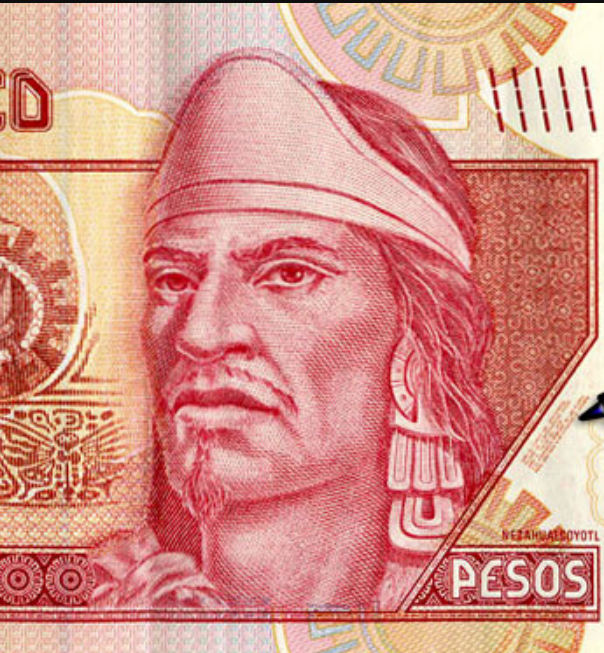
by Nezahualcóyotl (1402-1472)
Texcoco Philosopher King
***
~Part One~
FLOWERS
My heart yearns.
Where shall I gather beautiful fragrant flowers?
Who shall I ask?
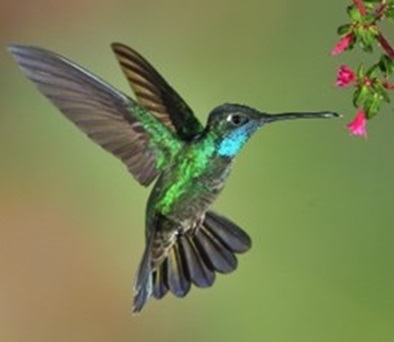
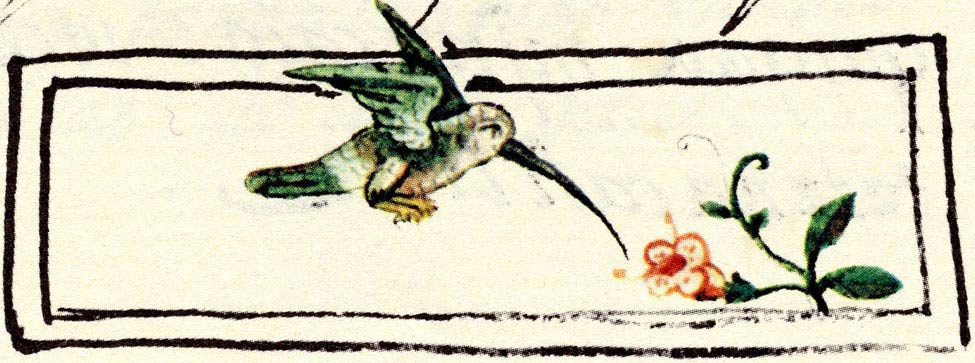
Perhaps I should ask the precious hummingbird,
the Turquoise Jade Hummingbird.
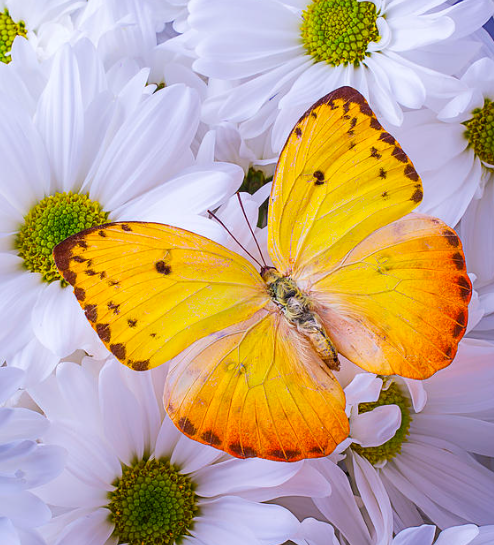
Perhaps I should ask the yellow butterfly.
For they would know.
They know where the beautiful fragrant flowers bloom.
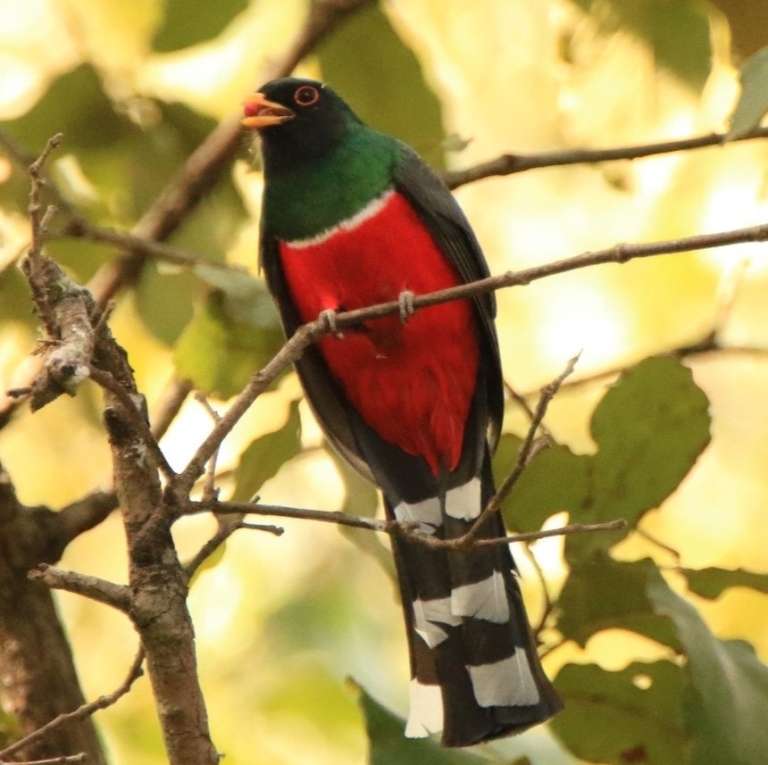
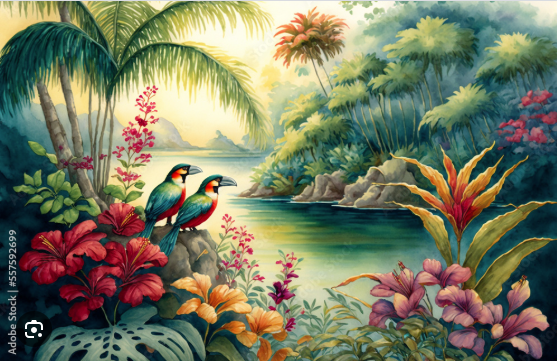
If I seek them here in the pine and cypress forest
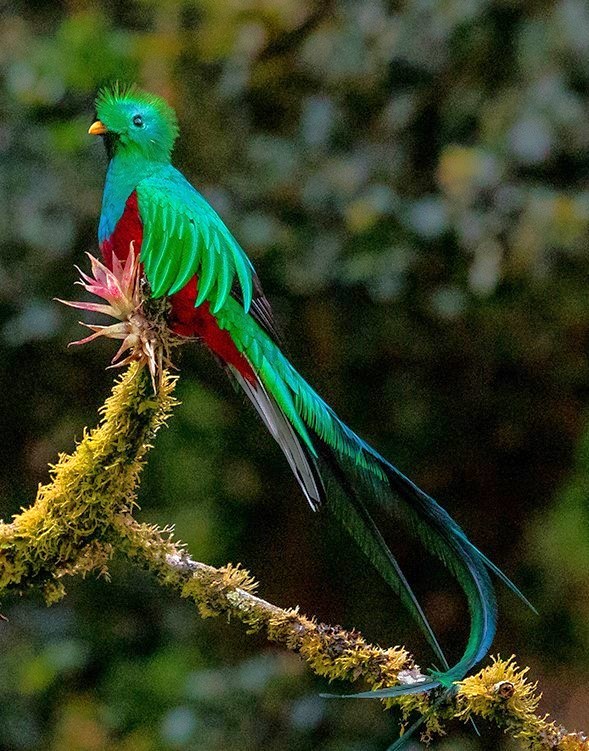
where the Trogon Bird lives,
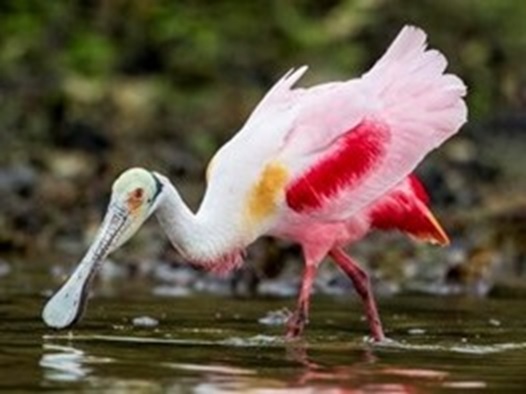
or if I seek them in the flower forest
where the Roseate Spoonbill lives,
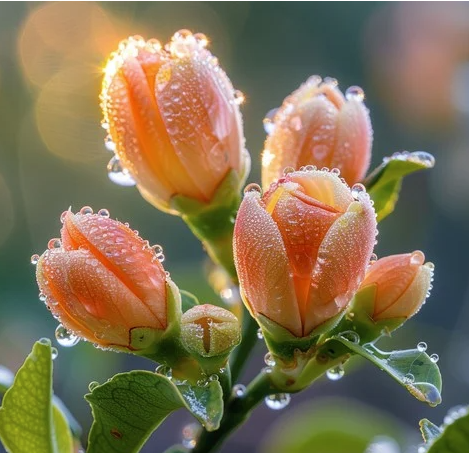
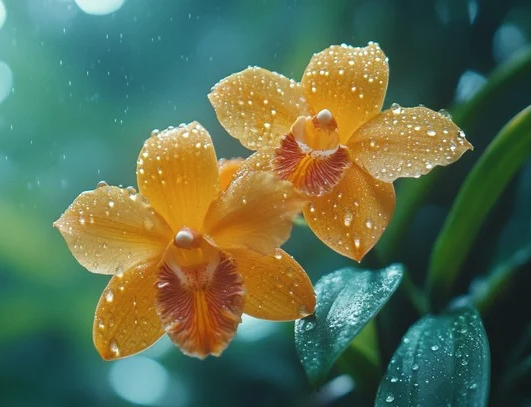
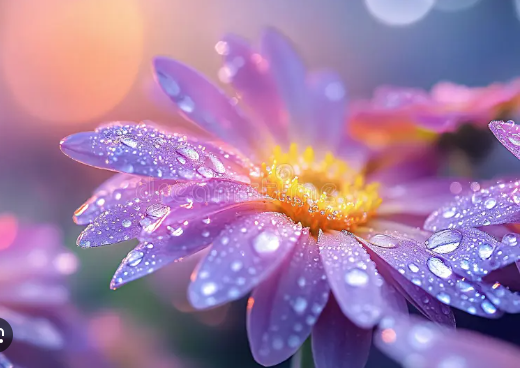
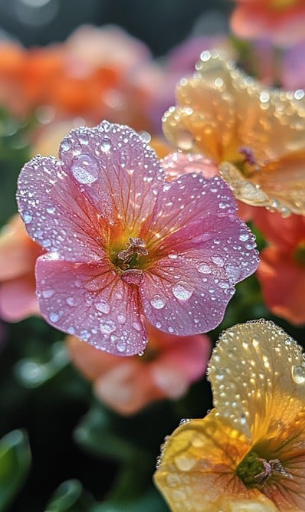
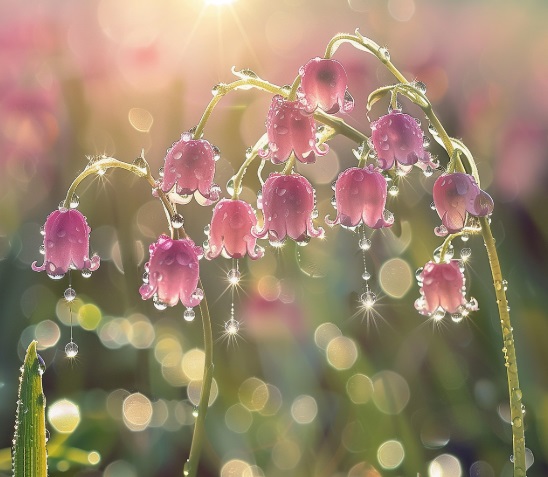
where the honey-colored flowers sway and glisten with sunstruck dew,
where they spread their petals,
perhaps I will see them there.
If the beautiful fragrant flowers are shown to me,
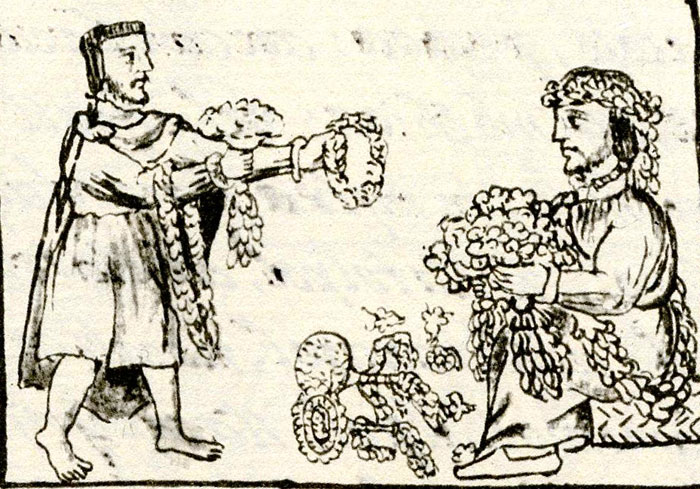
I will gather them in the fold of my cloak to greet the princes.
With them I will gladden the noble lords.
~Part Two~
SONGS
Ah, here I find the true place of life.
Now I hear the true Flower Songs.
Like the munificent mountains, they sustain us.
People gather before the heavenly waters.
There is where the songs live,
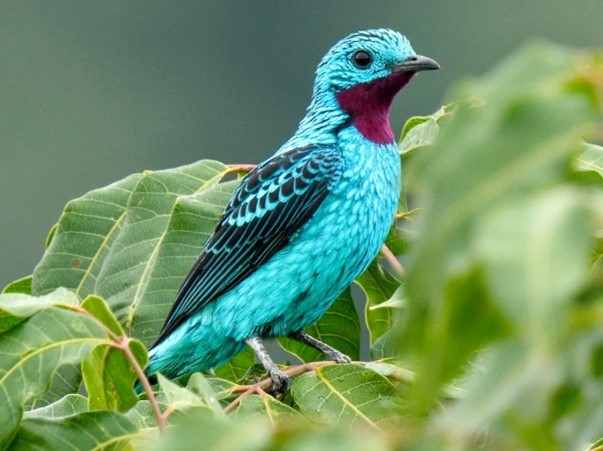
before the pulsating springs of turquoise waters
where the Cotinga Bird lives.
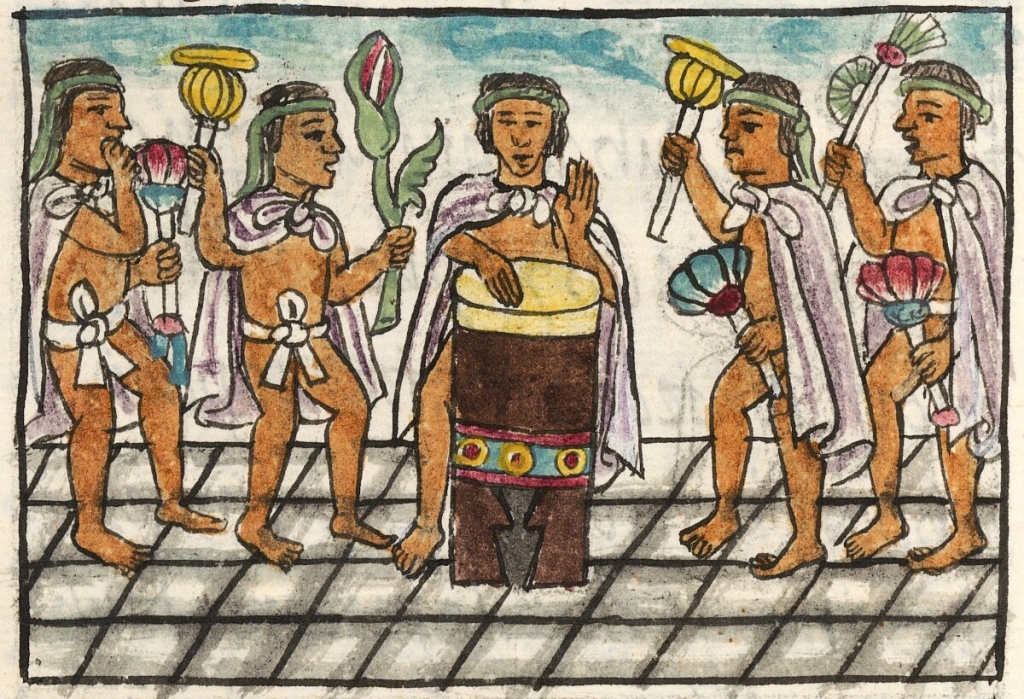
The singers sing together.
They sing back and forth to one another.
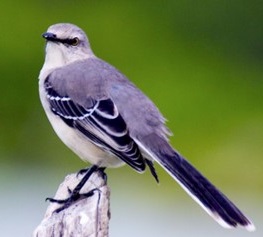
The 400-Voice-Bird, the mockingbird, echoes the Bellbirds,
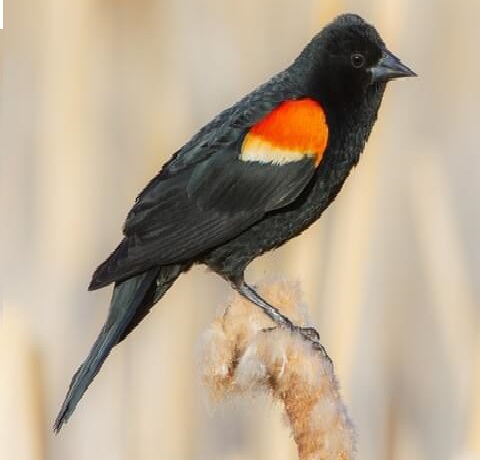
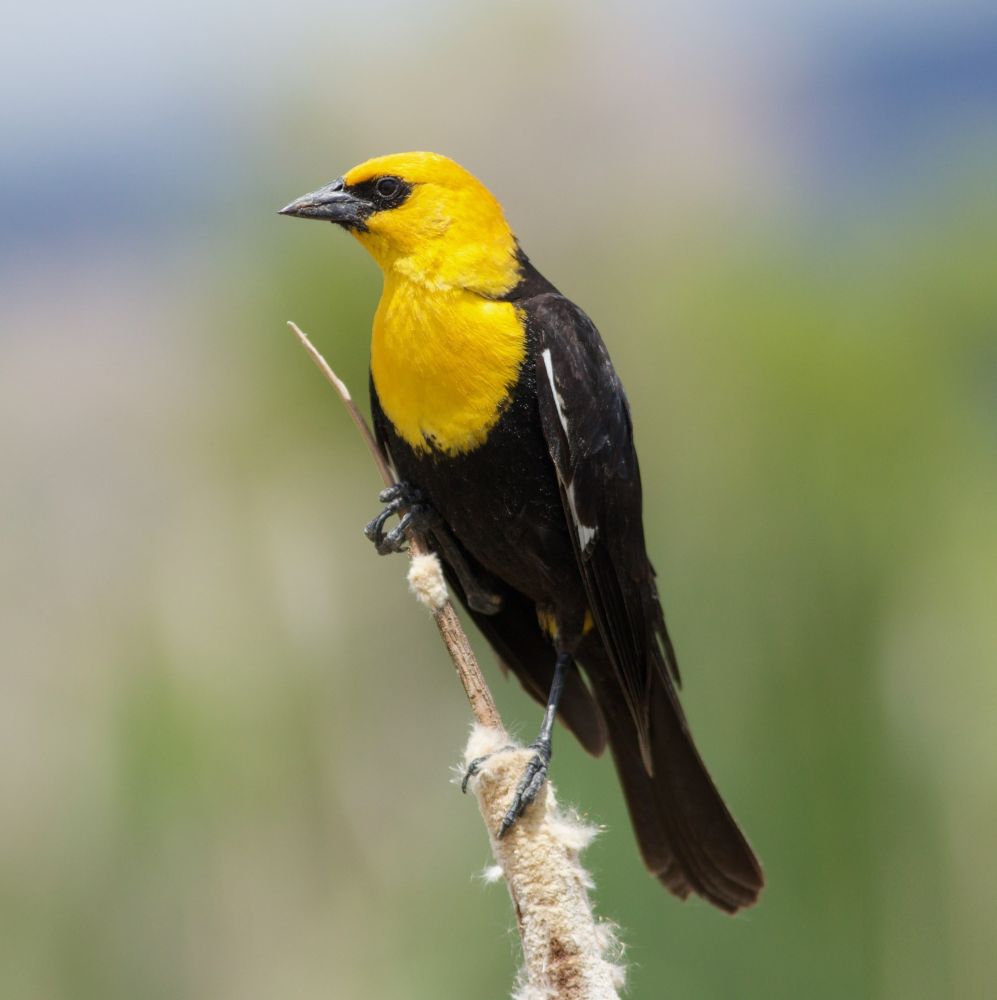
the Red-winged Blackbirds and the Yellow-headed Blackbirds.
They call out a rhythmic cascade of chimes.
Singing, “Ka-ka-REE, ka-ka-REE REE EE-EE-EE!”
The voices of these countless mystical singers,
the sacred song singers amplify and flow.
Ah, how it resonates!
This is our place of bliss.
Truly, those cloaked in the earthly realm
seek to mirror their beautiful artistry.
Revered quetzal-hummingbird,
who shall we seek among the heavenly singers of songs?
~Part Three~
THE HUMMINGBIRD
I pray, I cry out in sorrow,
“Will I be consoled?
Will the lordly fathers have mercy on me.”
Then the revered quetzal hummingbird arrives
Then it comes forth.
“O cherished singer, what do you seek?”
In reply, I beseech,
“Where can I find the precious, fragrant flowers
through which our revered ancestors may be revealed?”
Then the hummingbird chirps,
“Surely now, if you tremble and reverberate, you sing.
And verily, through song
our legacy and our noble ancestors may be revealed.”
~Part Four~
THE MOUNTAIN VALLEY
Deep within the mountain valley,
in the land of abundance, in the realm of heavenly flowers,
the spirit of our ancestors comes to me.
There it is, where the sun’s rays sparkle in the shimmering dew.
There, in that place, we behold melliferous scattered flowers.
See how these robust fragrant flowers glitter and shine.
In the ethereal mist a radiant rainbow appears across the sky.
There, in that place, the precious hummingbird speaks to me:
“Oh, let us pick the fragrant flowers
here in the sacred place of our beginnings.
There the divine singer will emerge.
If we give these flowers to the lords,
we will bring joy to the lords of the earthly realm.”
~Part Five~
OUR BRETHREN
Then I gather various fragrant flowers.
Verily, my heart-spirit now understands the true meaning of life.
I wonder if any of our brethren would join with me in this divine pilgrimage.
Together, we could gather countless heavenly treasures.
And now that I have become aware,
I will speak before our brethren,
bearing the truth of the abundance within.
“Dear brothers, here, in this place,
we may always gather precious things.
In the scattered, fragrant flowers, we gather beauty.
In the diverse, beautiful songs, truth and harmony arise.
Let us gather them.
With them, the truth will be revealed.
Then, our brethren who walk upon the earth and their beloved children
will reign as eagles and jaguars.”
~Part Six~
THE LORDS
Verily, I the singer have gathered all the precious flowers.
And with these I adorn our noble youths.
From the hands of the gods,
I now take the beautiful songs and cherish them with gratitude.
And who will see the flourishing flower?
It is the lords,
standing in the presence of the One Who Is Near and Encompasses All.
~Part Seven~
THE FARMERS
But what of the wretched farmer on barren land who can make no offerings?
Where will he behold the true flower?
Who may come with me to the divine realm of precious flowers?
Prosperity is bestowed in the heavens
by the One Who Is Near and Encompasses All
to those who understand life and even to the wretched who sin.
~Part Eight~
MY LAMENT
I recall that I saw it there, in the land of flowers, I the singer.
And I now stand here, upon the earth and I reflect
and my heart-spirit cries out:
“Perhaps there is no happiness here on the earth.
Perhaps somewhere else,
in the land of abundant joy is where true wisdom resides.
What indeed is there here on earth?
Perhaps for just a moment may we live in the heavens where life thrives.
Let me go there; let me sing there among the many precious birds.
Let me learn there among the beautiful precious flowers,
the fragrant flowers,
That gently capture people’s hearts,
and softly refreshes and perfumes them.
That I may learn what brings joy to the heart,
that gently intoxicates with sweetness, with fragrance.